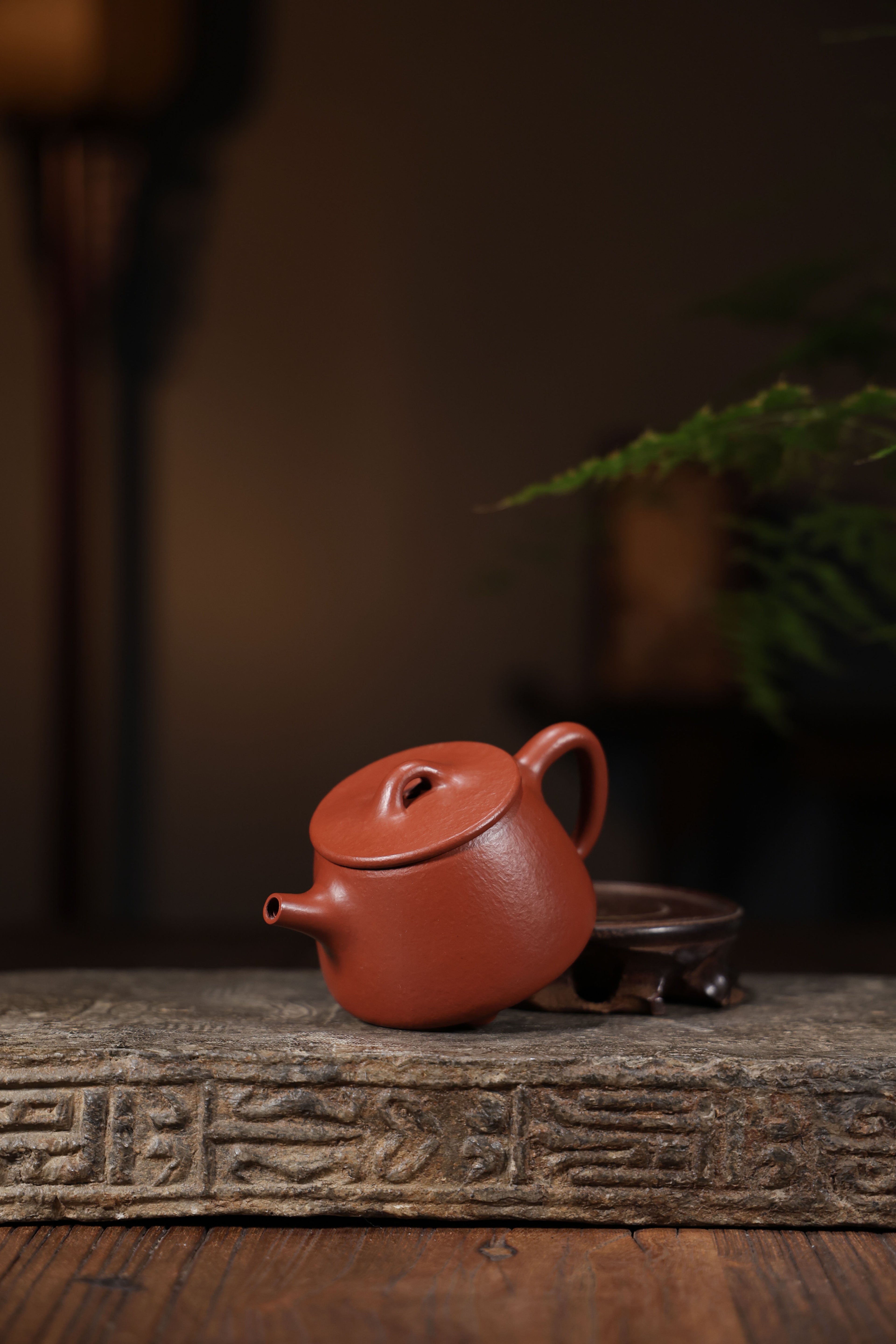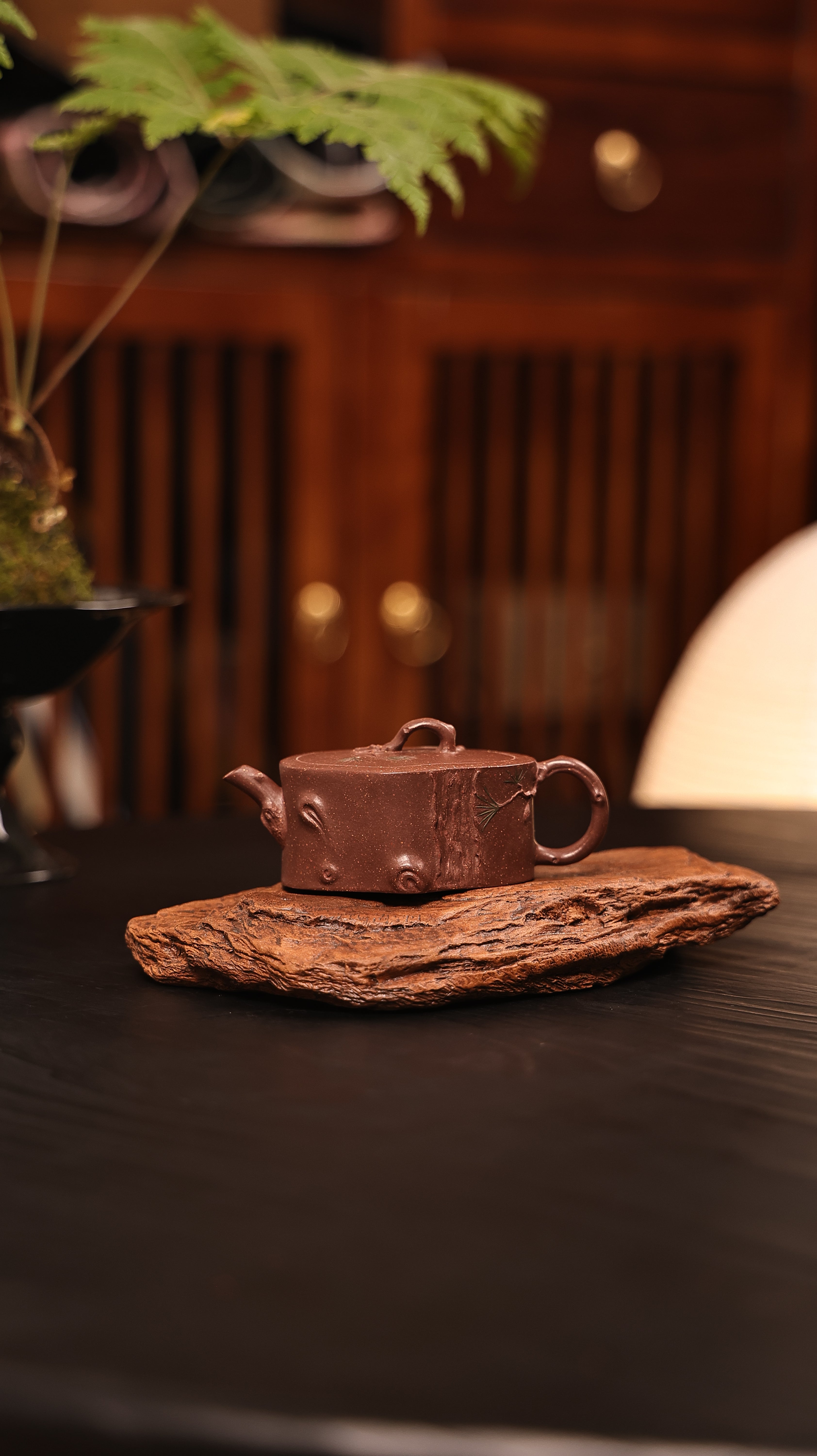
Perpetual inheritance marks Minjiang teapots through ages,
Manifesting uncommon aspects drawn within indigenous plum minerals, such jars accumulate a film after consumption, amplifying profile yielded from created extracts.
Appreciating Yixing Clay: In-Depth Insights into Zisha
Numerous enthusiasts admire the singular structure of Yixing mulberry clay, a linchpin of conventional Chinese craft. Emanating from the Yixing region of Jiangsu province, this uncommon clay exhibits an detailed mineral structure, that delivers incredible qualities to the manufactured objects. Categories within Zisha, including Duan Mud, Duan Ni Mud, and Jiang Xi Mud, each features unique colors, structures, and drying traits, altering the ventilation and the final accent maturation of the drink.
Far Eastern Pottery Cultures: Understanding Mastery
Mandarin teapots embody over mere jars for beverage; they symbolize centuries of inherited artistry. From the renowned Yixing clay variations, respected for their porous nature which bestows individual characters to the tea, to the graceful porcelain from Jingdezhen, each piece conveys a story of craft. The fabrication process is an involved task, often conveyed through bloodlines of specialists. These masters use established approaches such as hand-building, designing on wheels, and ornamenting, demonstrating profound reverence for the material and the skill itself. Ponder the attention invested in each piece as a symbol of Chinese porcelain legacy.
- Fine crocks: a timeless pick.
- Delicate ceramics teapots: valued for their refined design.
- Fabricating techniques: a complex yet worthwhile procedure.
Eastern Clay Kettle Maintenance: Sustaining Your Prized Possession
Fitting upkeep of your esteemed Yixing Zisha teapot is important to securing its value. Crafted from famous purple sand compound, these exquisite teapots acquire a deep patina after service, decidedly boosting their allure. Refrain from cleansers; a tender rinse with tepid solution is appropriate. Do not scalding water for purifying the teapot, as it may damage its surface. Allow it to evaporate moisture away from excessive solar rays. Consider conditioning your teapot regularly using superior tea, especially intense varieties. Here is a brief summary:
- Cleanse with pleasantly warm hydrous substance.
- Avoid cleaners.
- Grant it to lose dampness.
- Prepare with high-quality tea.
Origins of Yixing Teapots: From Basic Inception
The story of Yixing teapots starts humbly during the Qing dynasty, near the 16th time. Initially, these items were not the respected items they are recognized as today. They were fashioned by local potters using the unique purple clay discovered solely in the Yixing vicinity. These early creations were primarily utilitarian, designed for everyday application and often basic in appearance. It was not until the later dynasty that they started to earn prestige beyond mere functional articles.
Determining the Fitting Native Jar: A Introductory Introduction
Exploring the sphere of Yixing teapots can be overwhelming, but don't concern! For apprentices, the critical factor is understanding the dirt. Original Yixing clay is prized for its ventilation, allowing the teapot to retain the tea's taste over time, heightening every creating session. Imagine the contour; traditional spherical shapes prevail, yet individual preferences play a role. Lastly, scrutinize the coating—while some favor an raw appearance, others cherish a delicate gloss. Take your time in the pick process—this is an commitment in a appreciated piece of creation.
Eastern Clay Vessels and Their Power on Chinese Concoction Heritage
Zisha teapots, born from Yixing, China, have profoundly transformed classic Chinese brew culture. Those Yixing clay teapots, prized for their distinctive cast, surface, and exceptional ability to impart a subtle flavor to the concoction, act as more than mere vessels; they are cherished masterpieces and symbols of eminence. The very custom of preparing and serving tea using a Zisha teapot is steeped in importance, elevating the experience beyond simple refreshment. Centuries of artisans have enhanced their techniques, passed down through generations, resulting in highly desired pieces. Thus, Zisha teapots are frequently admired, playing a crucial part in cultivating Eastern appreciation for aesthetics and the science of concoction ceremonies.
- Special Clay Composition
- Contributing Subtle Flavor
- Decorative Craftsmanship
Establishing Legitimate Sought-After Eastern Jars
Obtaining a verified Yixing teapot can be a pleasurable experience, but the sector is often crowded with copies. Distinguishing between a genuine antique and a present-day reproduction requires meticulous inspection. Key evidence include the clay's reddish-brown shade, often displaying marked designs, and the nonexistence of modern roasting imprints. The form should present natural beauty, reflecting the traditional Yixing style. Finally, Chinese Teapot investigating the manufacturer's mark is necessary to verify realness against published records.
- Assess the clay's surface.
- Look for flaws, indicative of manual quality.
- Hire an consultant for confirmation.
Obtaining Traditional Clay Pots: A Complete Overview to Clay Art Evaluation
The world of Zisha Zisha crafts exhibits a unique venture for savvy supporters. Progressively, the value of these artisanal artifacts is affected by multiple considerations, such as the standard of composition, the talent of the builder, the historical significance, and, naturally, the present trade. Novices should prioritize on studying the several kinds of Zisha clay—such as Frozen River, Peaceful Container, and Ruby Mud—and investigating the traits linked to each. Rigorous appraisal of the object's contour, pigment, and signature is equally important to make astute selections when investing.