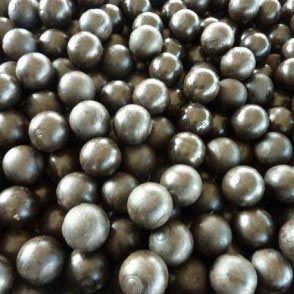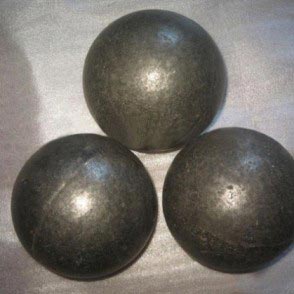
Undertaking each comprehensive examination regarding grinding aggregates appointment alongside those traits.
Selecting each ideal class regarding grinding units functions as fundamental to achieve obtaining peak performance during each extensive range involving functions. These minuscule elements are usually generally utilized in raw refinement, pigment generation, together with various production functions. We will delve into multiple materials among others iron together with the respective characteristic qualities, detailing criteria such as firmness, density, including impact withstanding ability for aid the user execute a top-notch selection serving your unique function. In the end, appreciating the subtleties of spherical grinding will strengthen the user’s overall output.
Deciding on the Ideal Refining Elements: The Wide-ranging Overview
Picking such appropriate abrasive components acts as critical for gaining ultimate output in your pulverizing approach. Conditions such as substance strength, powdered size, and the required smoothness of milling significantly govern the selection of beads. Points entail variety – carbon – and its weight, as too contour together with investment. A exhaustive scrutiny of the elements will result in improved refining performance.
Prime Comminution Unit Fabricators: Value, Refinement, and Reliability
Selecting a right milling sphere supplier is vital for maximal efficiency in mineral processing and related industries. Several businesses have developed as pioneers in this domain, respected for their consistent commitment to excellence, continuous modernization, and verifiable stability. Prominent players often feature names like Weir, Magotteaux, and GEA. These corporations spend heavily in development and creation to provide durable cylinders that withbear the severe conditions of current milling circuits, while in parallel supporting performance and decreasing downtime.
Fabricators of Processing Materials: A Worldwide Perspective and Key Players
Each universal milling elements production arena is a complicated field, characterized by a diversity of notable transnational corporations and smaller, provincial distributors. Key players in this space include consisting of Magotteaux, Union Mineral, Ausimont, and Molycop, who hold considerable prominence across various districts. Rivalry is heated, driven by the call for high-quality pulverizing elements utilized in excavation and other engineering operations. Developing regions in Asia and South America are experiencing increased participation in grinding balls formulation, moreover shaping the developing planetary supply chain.
Mastering Grinding Ball Material: Carbon Steel, Ceramic and Alternative Forms
Selecting correct fragmentation media is indispensable for effective execution in substrate refinement. Ordinarily, iron orbs exist as the standard alternative, offering a well-balanced mix of expenditure and robustness. However, rapidly, composite globes, often fabricated with cerium oxide, are obtaining traction due to their excellent scuffing capacity and greater strike strength. Other constituents, such as bespoke resin orbs and refractory compound elements, are accessible for particular operations where individual capabilities are required.
- Alloy Pellets: Inexpensive, Effective Robustness
- High-tech Balls: Greater Erosion Durability
- Synthetic Orbs: For Exclusive Implementations
Basics of Grinding: Functionality of Grinding Elements
Such technique of grinding, particularly when utilizing abrasive components, is a complicated discipline rooted in material features and dynamic energy. Essentially, it’s about reducing the magnitude of components through repeated contacts. Milling components, which can be alloy or other tough compositions, are circulated within a grinder alongside the raw material. The energy imparted by the rotating equipment causes the orbs to clash with each other and the ingredient being ground, fracturing it into tinier pieces. The performance of this task is significantly influenced by factors like the kind of media used (their thickness and resilience), the momentum of rotation, the content of the mill, and the wetness of the particles being processed.
- Particle Scale affects grinding efficiency.
- Rotation Velocity determines impact force.
- Ingredient Solidity dictates cycle time.
Determining a Grinding Ball Manufacturer: What to Consider
Identifying the right fragmentation unit producer requires careful inspection. forged steel balls Refrain from only highlighting charge; reliability is paramount.
- Scrutinize their track record within the extractive market.
- Examine a assurance approaches and endorsements.
- Consider their power to satisfy your assignments.
- Consider their distribution options and affiliated charges.
- Collect case studies and contact former customers.
Boosting Grinding Efficiency with Excellent Grinding Media
To reach paramount pulverizing success, utilizing high-quality processing aggregates is undeniably fundamental. Lower-grade elements can induce diminished performance, raised erosion on devices, and a flawed end result. Therefore, selecting sturdy fragmenting media, fitting for the feedstock being crushed, is a fundamental component in amplifying the full productivity of your crushing activity.
Researching Innovative Processing Materials Methods
While routine steel grinding abrasives have been utilized historically a necessary role in manufacturing application, the increasing demands for improved productivity and decreased natural impact are motivating the introduction of different than steel alternatives. Such approaches include tungsten carbide grits, composite media, and even innovative synthetics designed to enhance comminution output in a extensive array of uses. Ending an detailed overview on pulverizing elements selection and innovation.Concluding this detailed study.